






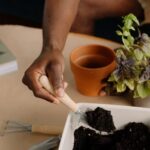

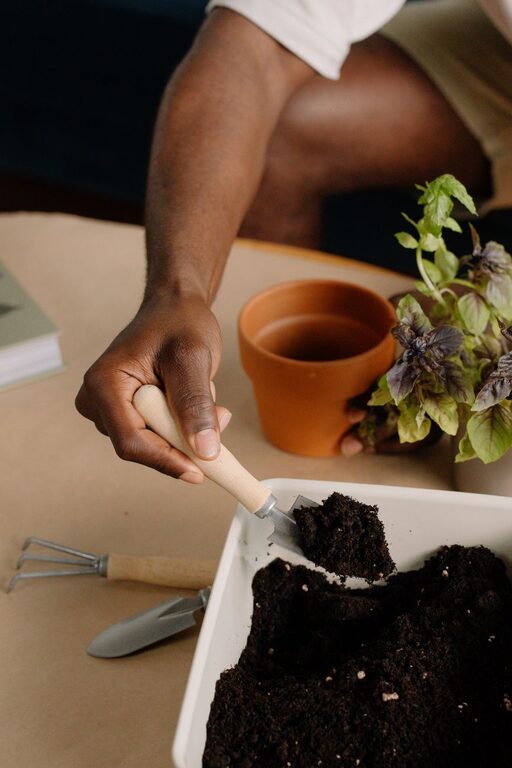
Growing your own small herb garden indoors is a rewarding and practical way to enjoy fresh herbs all year long. Whether you have a sunny windowsill, a kitchen counter, or a small balcony, starting an indoor herb garden is simple and enjoyable. This guide will walk you through everything you need to know to successfully grow herbs inside your home.
Why Grow Herbs Indoors?
Herbs are versatile plants that can enhance your cooking, add fragrance to your space, and even improve your mood with their natural greenery. Growing herbs indoors allows you to:
– Have fresh herbs at your fingertips regardless of the season.
– Save money by reducing trips to the grocery store.
– Control the growing environment, avoiding pesticides.
– Add a decorative touch to your home.
Choosing the Right Herbs for Indoor Growing
Not all herbs thrive indoors, so selecting the right varieties is important. Here are some great options for indoor herb gardening:
– Basil: Requires plenty of sunlight and warmth.
– Mint: Hardy and fast-growing, good for containers.
– Parsley: Prefers moderate sunlight and regular watering.
– Thyme: Tolerates dry conditions and less light.
– Chives: Easy to grow with minimal care.
– Cilantro: Likes cooler temperatures and bright light.
– Oregano: Needs bright light and well-draining soil.
Start with 2–3 herbs that you use most often or that suit your kitchen’s lighting conditions.
Selecting Containers and Soil
Containers
Choose containers with drainage holes to prevent waterlogging, which can lead to root rot. You can use:
– Small pots made of clay, ceramic, or plastic.
– Recycled containers like jars or tins (just add holes for drainage).
– Specialized indoor garden kits or planter boxes.
Make sure the containers are appropriately sized; most herbs prefer pots that are at least 4–6 inches deep.
Soil
Use a high-quality potting mix designed for indoor plants. Avoid garden soil, which can be too dense and may contain pests. A lightweight, well-draining potting soil enriched with organic matter is ideal for herbs.
Finding the Right Spot and Light
Herbs need plenty of natural light — usually 6–8 hours of sunlight per day.
– Place your pots near a south-facing window if possible.
– If natural light is limited, consider using a grow light with full-spectrum LEDs to supplement.
– Rotate pots every few days to ensure even light exposure and prevent plants from leaning.
Planting Your Herbs
You can start your garden from seeds or buy young herb plants from a nursery.
Starting from Seeds
– Fill your pots with potting soil, leaving about an inch from the top.
– Sprinkle seeds according to the seed packet instructions.
– Cover lightly with soil and water gently.
– Keep the soil moist but not soggy.
– Seeds usually germinate within 1–3 weeks depending on the herb.
Using Starter Plants
– Gently remove plants from nursery pots.
– Loosen the roots slightly if they are tightly packed.
– Plant them in your containers at the same depth they were growing in their original pots.
– Water well after planting.
Caring for Your Indoor Herb Garden
Watering
– Herbs prefer consistently moist soil but not waterlogged.
– Water when the top inch of soil feels dry.
– Avoid letting containers sit in standing water.
Feeding
– Use a balanced liquid fertilizer diluted to half strength about once a month.
– Avoid over-fertilizing, as it can reduce flavor intensity in herbs.
Pruning and Harvesting
– Pinch or trim herbs regularly to encourage bushier growth.
– Harvest leaves from the top, avoiding removing more than one-third of the plant at a time.
– Remove any yellowing or dead leaves promptly.
Pests and Problems
– Keep an eye out for common pests like aphids or spider mites.
– Wipe leaves gently with a damp cloth or use mild soapy water if pests appear.
– Ensure good air circulation to prevent mold or fungus.
Tips for a Successful Herb Garden
– Label your herbs to keep track of their names and care needs.
– Group plants with similar light and water requirements together.
– Keep a small spray bottle for misting if your home is dry.
– Experiment with different herb combinations to find your favorites.
– Use your fresh herbs in cooking, teas, or garnishes to enjoy the fruits of your labor.
Conclusion
Starting an indoor herb garden doesn’t require a lot of space or experience. With the right selection, lighting, and care, you can enjoy fresh, fragrant herbs year-round right from your home. Whether you choose to grow basil on your kitchen windowsill or mint in a sunny spot, these green companions will bring flavor, freshness, and a bit of nature indoors. Happy gardening!